

Do Termites Cause Structural Damage in Arizona Homes?
Arizona’s arid climate, boasting over 300 sunny days each year, attracts many to settle in the desert. But along with the warmth and beauty comes a major threat hiding in the shadows—termites. These silent invaders are notorious for their ability to wreak havoc on homes, often going unnoticed until serious structural damage has occurred. For Arizona homeowners, understanding the impact termites have on structures is not just a matter of curiosity but of urgent necessity. In this comprehensive blog post, we’ll dive deep into how, why, and where termites compromise Arizona homes, how to spot them, and—most importantly—how to protect your property from costly damage.
Termites in Arizona: Species and Habitats
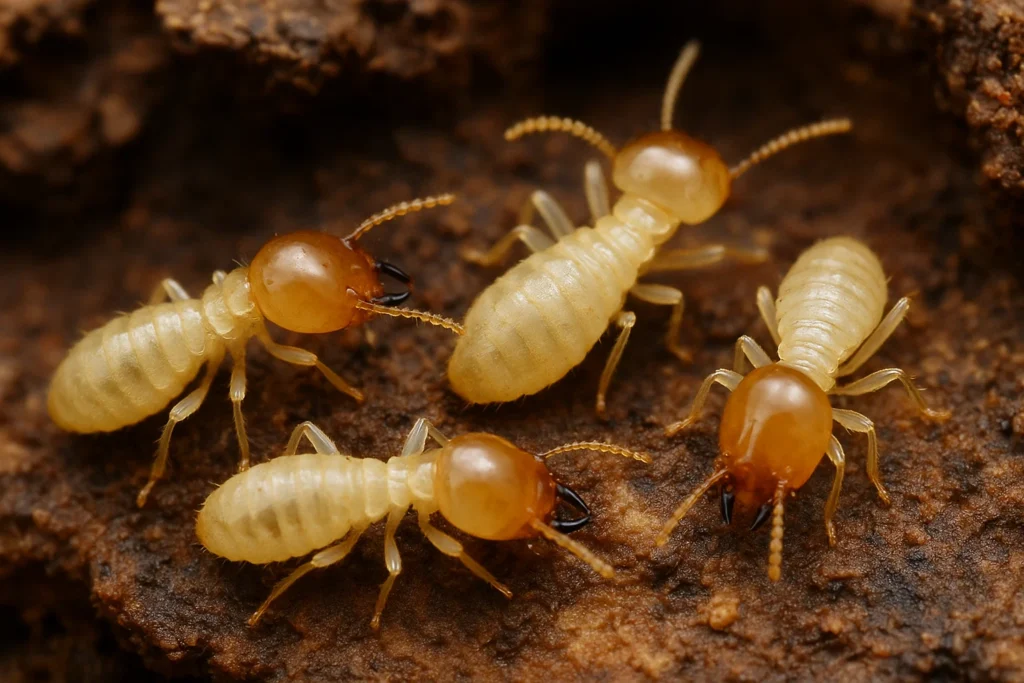
Termites aren’t a single species acting alone. Arizona is primarily home to two types: subterranean termites and drywood termites. Subterranean termites, including the destructive Arid-Land Subterranean Termite, build intricate colonies in the soil and construct mud tubes to reach above-ground food sources—the wood in homes. Drywood termites, meanwhile, can survive and reproduce in even the tiniest cracks in dry wood, thriving in attics, furniture, and framing.
Subterranean termites are often problematic around the foundations of buildings, where moisture can accumulate and make access to wooden structures easy. Drywood termites, while less common, can infest virtually any wooden item. Arizona’s warm, dry climate encourages termite activity nearly year-round. These factors, combined, mean the risk of structural damage is constant and widespread. Homes in cities like Mesa, Gilbert, Chandler, and Queen Creek are all susceptible.
Why Arizona Homes Are at Risk
Arizona homes face a unique set of conditions ideal for termite infestations. First, many homes in the region are constructed using wood framing, which provides abundant food sources for termites. Even if exteriors are stucco or brick, wood framing lurks beneath. Additionally, irrigation systems, monsoon rains, and landscaping choices can inadvertently create moist pockets—prime real estate for subterranean termites.
Further compounding risk is Arizona’s year-round mild climate. Unlike colder states where termite activity is seasonal, Arizona termites are active twelve months out of the year. Moreover, tight building codes can sometimes create hidden moisture traps within walls and crawl spaces, offering termite colonies perfect breeding environments.
How Termites Cause Structural Damage
While an individual termite is tiny and seemingly harmless, a colony can number in the hundreds of thousands. Subterranean termites feed continuously, 24/7, on cellulose-rich materials found in wood, paper, and even drywall. As they consume these materials, they hollow out the wood from within, leaving only thin layers of timber or paint as a façade. This internal “hollowing” is insidious, as the damage often goes undetected until it becomes severe.
Termite-damaged wood loses its strength. Structural beams, floor joists, wall studs, and roof supports can become dangerously compromised, leading to sagging floors, warped walls, cracked foundations, even collapses in extreme cases. A small, unseen infestation can, over time, cause extensive and costly repairs—sometimes exceeding thousands of dollars.
Signs of Termite Damage: What to Watch For
Detecting termite damage early is the key to protecting your home. The following warning signs may indicate an infestation:
- Mud tubes: Pencil-thin tunnels on foundation walls, crawl spaces, or wooden beams.
- Hollow-sounding wood: Tap on structural timbers; a hollow or papery sound can mean termites have consumed the inside.
- Discarded wings: After swarming, termites shed their wings, often found near windowsills or light fixtures.
- Frass: Small piles of wood-colored droppings, especially with drywood infestations.
- Cracked or bubbling paint: Termites eating within the walls can cause finish materials to deform.
Vigilance and routine inspections are essential, as damage can remain hidden for years.
The Lifecycle of Termite Infestation
Understanding the lifecycle of a termite colony reveals how quickly minor problems can balloon into major threats. Colonies begin when reproductive termites, called swarmers, leave their existing nest to establish new colonies. These swarmers are often seen in spring or early summer.
Once a pair establishes a new nest (often near or beneath a home), they begin reproducing. Subterranean termites may not start causing visible damage immediately, but as the colony grows—sometimes exponentially—so does the level of destruction. Within a few years, a colony could inflict enough structural damage to jeopardize a building’s stability.
Termites Versus Other Pests: Why They’re Worse
While rodents, ants, or cockroaches are certainly unwelcome guests, termites are unique in their capacity for “silent destruction”. Unlike rodents, which usually leave signs of their presence, termites work hidden from view, only causing clear symptoms after significant structural compromise.
Termites also differ from other pests because they directly target the structural integrity of a home. Other infestations, while unpleasant and potentially damaging, rarely pose the existential threat to a building that termites do. The costs—financial and emotional—can far exceed those of more obvious pest problems.
The Cost of Inaction: Real Stories, Real Numbers
Arizona homeowners frequently underestimate termite threats, leading to costly repair bills. According to data, termites are responsible for billions in property damage nationwide each year, with Arizona accounting for a significant share. Repair bills for a single infested home can range from a few thousand dollars to tens of thousands if major structural repairs become necessary.
There are countless cautionary tales: Families discovering extensive subfloor damage only during a remodeling project, or business owners forced to close temporarily due to unseen termite destruction. The cost of regular inspections and preventive treatment pales in comparison to the expense and stress of major home repairs.
Preventive Strategies for Arizona Homeowners
The old saying “an ounce of prevention is worth a pound of cure” is doubly true for termites. To minimize risk:
- Schedule annual termite inspections: Professional pest control technicians can spot early warning signs before damage occurs.
- Reduce excess moisture: Fix leaks, direct irrigation away from the foundation, and keep gutters clean.
- Eliminate wood-to-soil contact: Use concrete barriers and ensure decking or fencing does not touch the soil directly.
- Seal entry points: Regularly inspect for cracks in the foundation or exterior walls and seal promptly.
Choosing eco-friendly treatment options can keep homes safe for children and pets while eliminating pests.
The Kevlar Pest Control Difference
At Kevlar Pest Control, years of experience in Mesa, Gilbert, Chandler, and Queen Creek empower the team to offer expert, people-first termite solutions. The Kevlar process is simple yet highly effective:
- Consultation & Inspection: Licensed technicians assess each property’s unique vulnerabilities—no pressure, just honest advice.
- Transparent Quote: Clear, custom estimates tailored to each homeowner’s needs, with no hidden fees.
- Expert Treatment: Proven, eco-friendly methods, designed to wipe out termites and prevent their return, are applied professionally and safely.
Customers benefit from genuine care, long-lasting results, and ongoing support. Special offers, like free inspections and discounts on initial services, make expert protection affordable.
Conclusion
For Arizona homeowners, understanding the structural threat posed by termites isn’t a luxury—it’s a responsibility. The arid climate, abundance of wood framing, and year-round termite activity mean that no home is immune. But with vigilance, professional help, and tailored prevention strategies, it’s possible to keep these destructive pests at bay. Kevlar Pest Control provides the expertise and care Arizona families deserve, delivering peace of mind along with proven solutions. Don’t wait for damage to become visible—reach out today for an inspection and guard your home against one of Arizona’s most pervasive threats.